The Story of the Island
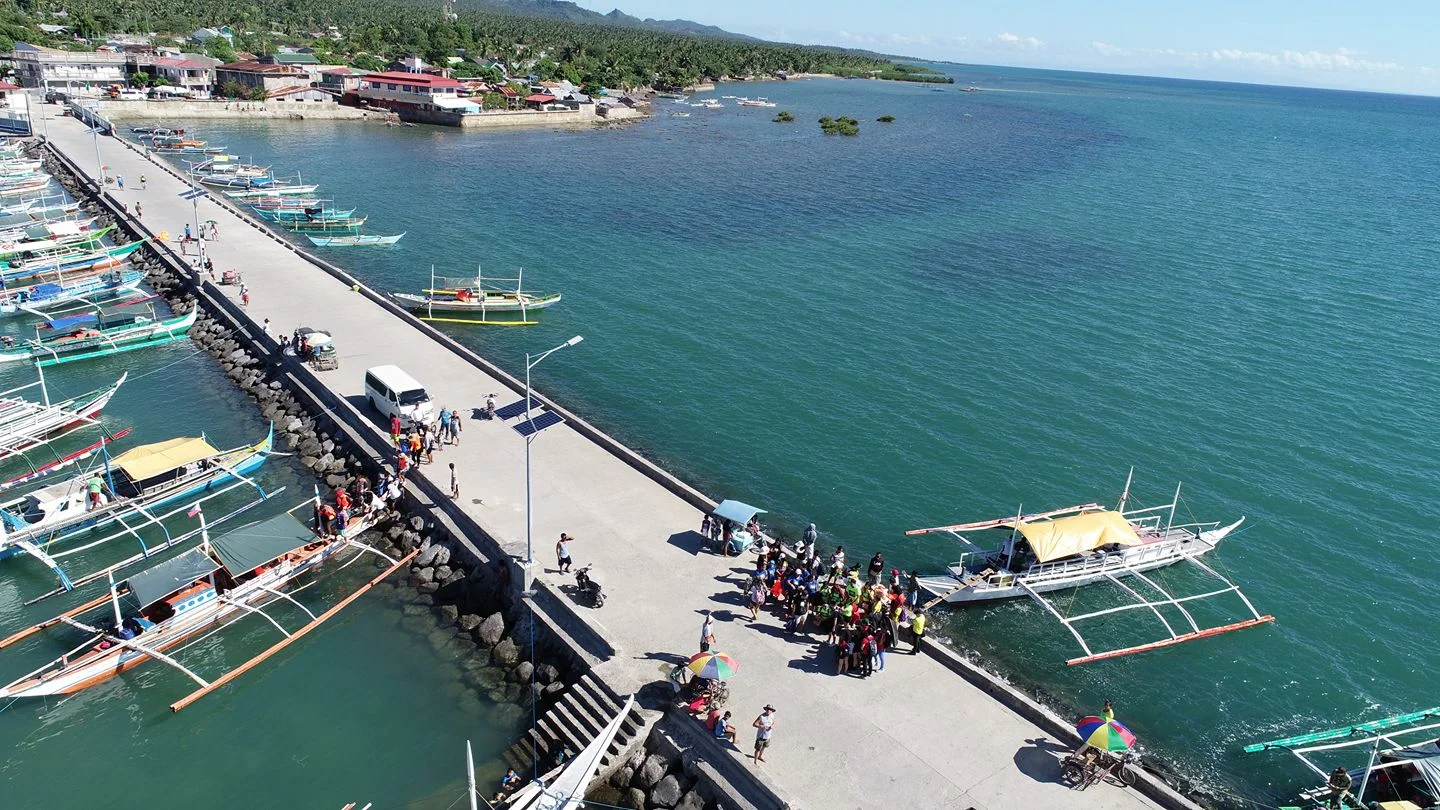
Alibijaban Island's rich history coincides with its geographical significance and traditional lifestyle, which are anchored in the small settlement of San Andres, Quezon.
Located off the southeastern edge of the Bondoc Peninsula, the island has long been an isolated community reliant on fishing and local resources, which continue to support its economy today. Initially, its occupants were drawn to the wealth of natural resources and the strategic location, which was suitable for a peaceful life and sustainable survival.
According to historical accounts, the island was populated before substantial influxes of people from adjacent provinces, resulting in an early and self-sufficient settlement.
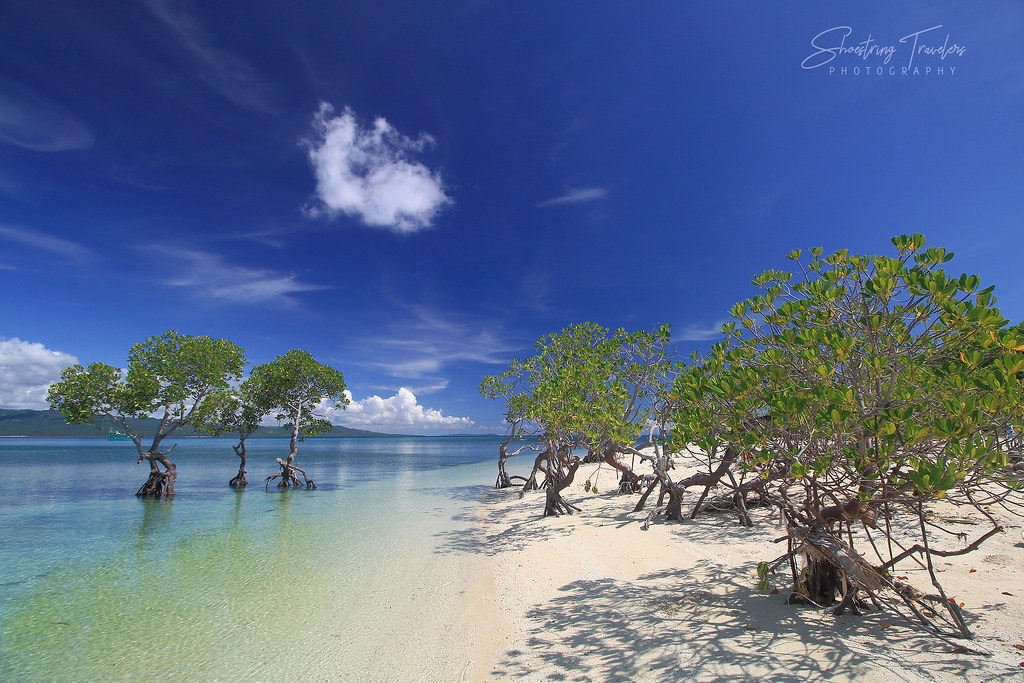
Alibijaban's ecological significance was formally recognized in 1981 when it was included in Proclamation No. 2151, which declared certain islands as wilderness areas and withdrew them from entry, sale, settlement, and exploitation (subject to existing private rights). This protective direction reflects the island's role in safeguarding coastal ecosystems, particularly mangroves, commonly associated with foreshore protection and habitat preservation.
In 2025, national legislation further enhanced the site's conservation and tourism framework through Republic Act No. 12226, which established the Alibijaban Protected Landscape and Seascape (APLS) under the National Integrated Protected Areas System. The law emphasizes conservation, sustainable development, and multi-stakeholder governance involving national agencies, LGUs, NGOs/POs, academe, and local communities.
RA 12226 also institutionalizes management mechanisms (e.g., PAMB and PASu) and enables fee systems and retained income accounts for protection and operations. To this day, Alibijaban Island is known as an emerging travel destination for small-scale visitors (2-14 pax) led by the community itself.